What Is Website Development?
Website development is the complete process of planning, designing, building, testing and maintaining a website so that it works reliably for both users and search engines.
It covers far more than writing code. Modern website development includes strategy, user experience, content structure, performance, security, accessibility and ongoing optimisation. A good development process turns business goals into a fast, trustworthy and conversion-focused digital presence.
At Be My Social we see the difference every week between sites that were simply “built” and those that were properly developed. The latter consistently attract more enquiries and rank more strongly over time.
Front-End vs Back-End vs Full-Stack Development
Understanding the three main roles helps you brief the right people and budget correctly.
Type | What it covers | Typical technologies | What the user notices |
Front-end | Everything the visitor sees and interacts with | HTML, CSS, JavaScript, React, Vue | Layout, design, speed of interaction, mobile experience |
Back-end | The server, database and logic behind the scenes | PHP, Python, Node.js, databases, APIs | Form submissions, logins, search, e-commerce, security |
Full-stack | Both front-end and back-end | Combination of the above | Complete working website |
Most business websites need both front-end and back-end work. A beautiful design (front-end) that cannot handle enquiries or payments securely (back-end) will not deliver results.
For a deeper look at how design and development work together, see our web design services.
The 7-Step Website Development Process in 2026
A professional project follows a clear sequence. Skipping stages almost always costs more later.
1. Discovery and Strategy
We clarify business goals, target audience, success metrics and competitors. This stage produces a clear brief and prevents expensive changes later.
2. Planning and Information Architecture
Sitemap, user journeys and content hierarchy are mapped. Good planning makes the site logical for both visitors and search engines.
3. Design and Prototyping
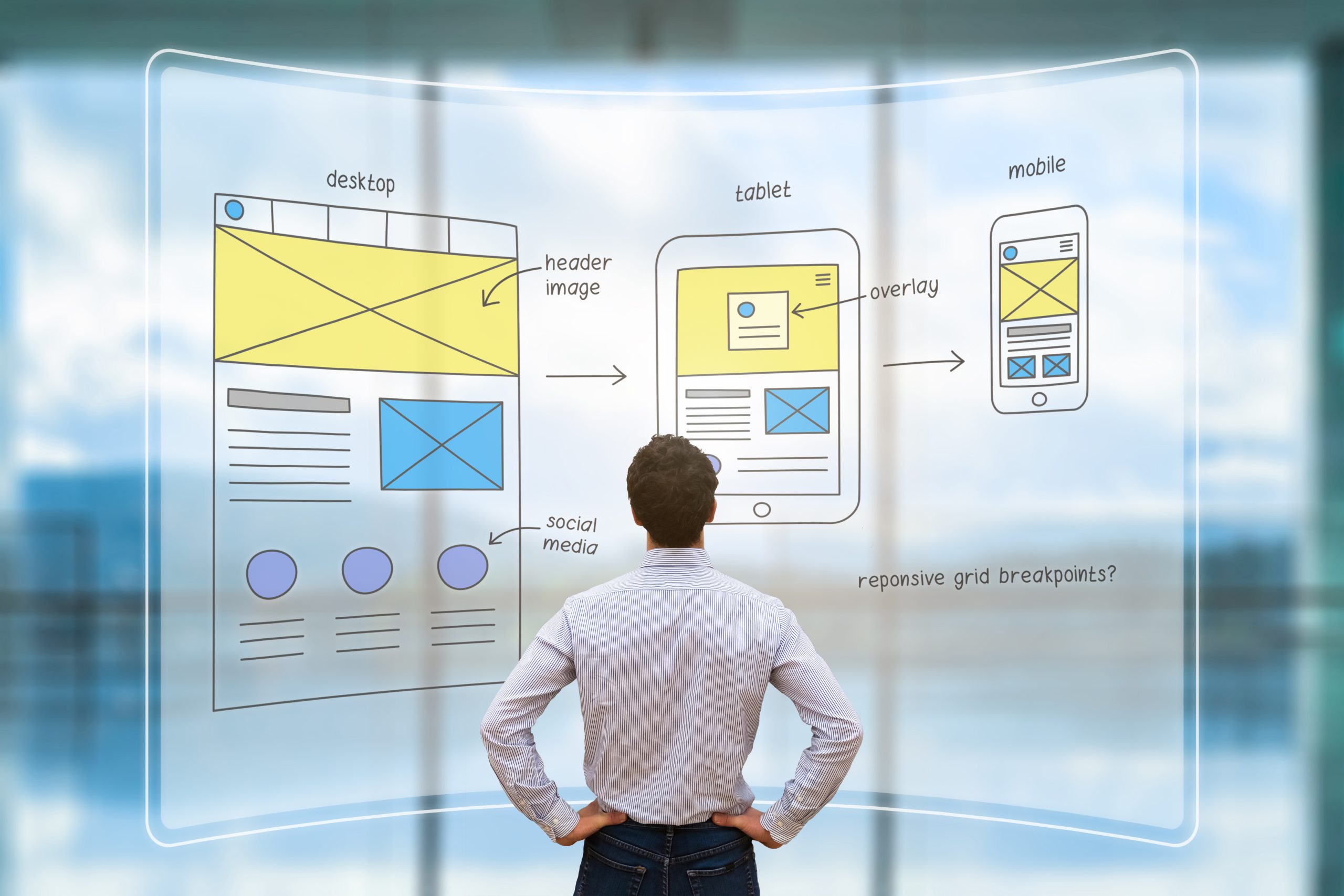
Wireframes then high-fidelity designs are created. Responsive behaviour, accessibility and brand consistency are built in from the start. Clients review and approve before any coding begins.
4. Development (Front-End and Back-End)
The approved designs are turned into a working website. Clean code, performance optimisation and security are prioritised. Content management systems such as WordPress are configured so non-technical users can update the site easily.
5. Content and CMS Setup
Final copy, images and media are added. On-page SEO elements (titles, headings, internal links, schema) are implemented. Strong content remains one of the biggest ranking factors in 2026.
6. Testing and Quality Assurance
Cross-browser and device testing, speed checks, accessibility audits, form testing and security reviews take place. Core Web Vitals are measured and improved.
7. Launch and Ongoing Maintenance
The site goes live with proper redirects, analytics and monitoring. Hosting, security updates, backups and performance reviews continue after launch. Many businesses choose managed hosting plans so technical care is handled for them.
This structured process is the same approach we use for clients across Doncaster, South Yorkshire and further afield.
Realistic Website Development Costs and Timelines (UK 2026)
Prices vary according to complexity, features and the level of custom work required. Here are typical ranges we see for UK projects in 2026:
Project type | Typical cost range | Usual timeline |
Simple brochure / 5–8 page site | £2,500 – £6,000 | 3–6 weeks |
Professional business site with CMS | £6,000 – £15,000 | 6–12 weeks |
E-commerce or advanced functionality | £12,000 – £35,000+ | 10–20 weeks |
Fully custom web application | £25,000+ | 4–9 months |
These figures include strategy, design, development, basic SEO setup and launch support. Ongoing maintenance and hosting are usually separate.
Cheaper template-only builds exist, but they often need significant rework later when the business grows or search engines demand better performance.
Tools and Technology Choices in 2026
You do not always need custom code. The right choice depends on your goals and resources:
- No-code / low-code builders – useful for simple sites or rapid prototypes
- WordPress and similar CMS platforms – still the most flexible option for most UK businesses
- Custom development – best when unique functionality or complex integrations are required
- Modern frameworks (React, Next.js, etc.) – excellent for speed and advanced user experiences
Performance, security and ease of future updates should guide the decision more than fashion.
When to Hire a Web Development Agency vs Building It Yourself
Consider DIY or a builder if:
- The site is very simple
- You have time to learn and maintain it
- Budget is extremely tight in the short term
Hire experienced developers or an agency when:
- The site needs to generate leads or sales
- You want strong SEO and performance from day one
- You lack the time or technical expertise
- Long-term reliability and support matter
A professional team brings process, testing discipline and ongoing advice that most internal DIY efforts cannot match. If you would like an honest assessment of your project, get in touch for a free consultation.
Common Mistakes That Waste Time and Money
- Starting design before clarifying goals
- Ignoring mobile experience until the end
- Choosing the cheapest option without checking quality or support
- Launching without proper testing or SEO foundations
- Treating the website as “finished” on launch day
Avoiding these five points alone improves outcomes dramatically.
How Be My Social Approaches Website Development
We combine clear strategy, thoughtful design and clean development. Every project is built with user experience, search visibility and long-term maintainability in mind. Our team works with businesses in Doncaster and across the UK, delivering sites that look professional and perform reliably.
You can explore our full range of digital marketing services or learn more about building visibility after launch in our guide to promoting a website.
Frequently Asked Questions