








Introduction: The AI Search Revolution in the UK
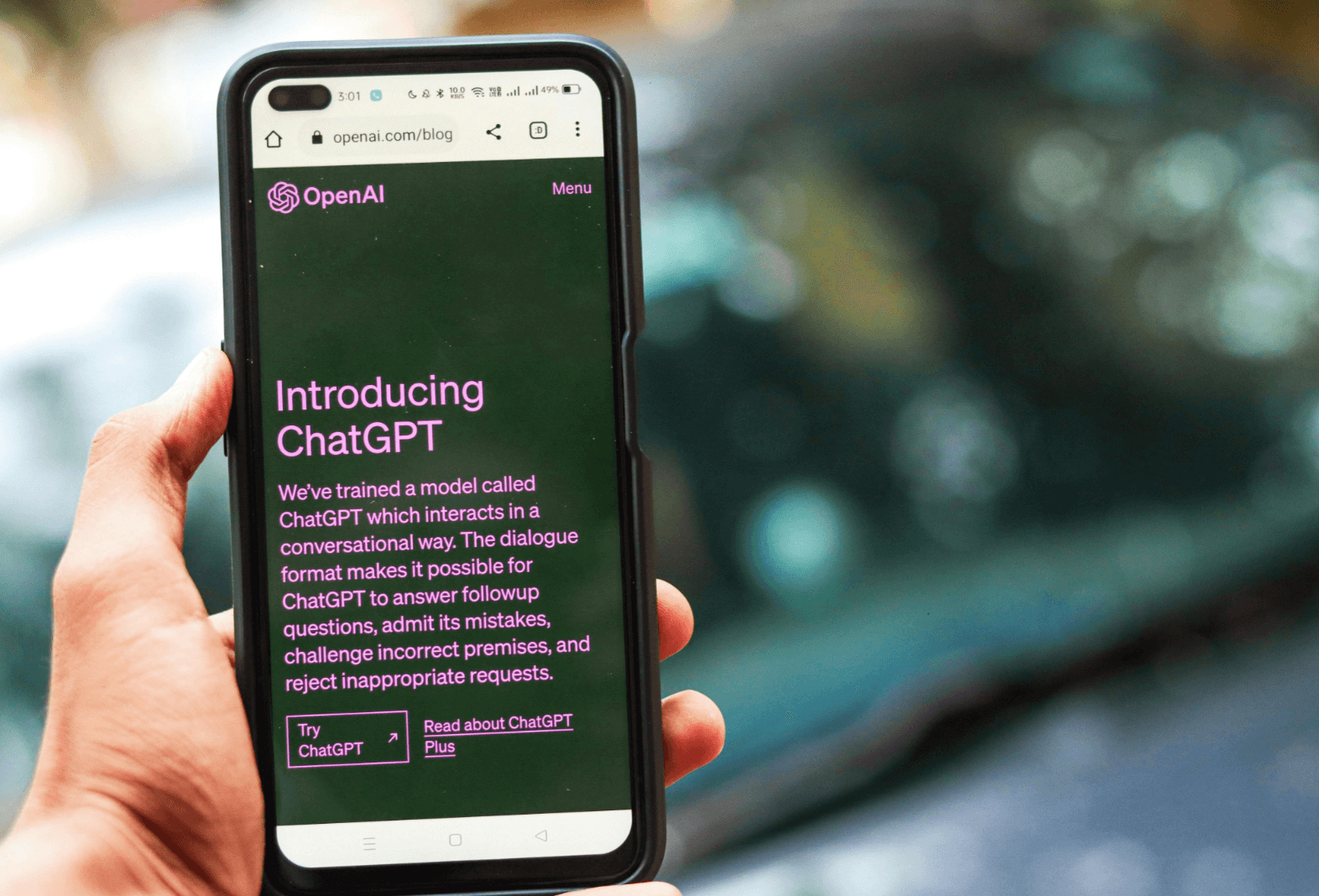
The way users search is undergoing its biggest shift since Google’s inception. With ChatGPT Search and Google AI Overviews leading the charge, AI is transforming search from a list of links to conversational, summarised answers. For UK businesses, this means:
✔ Fewer traditional clicks (as AI answers queries directly).
✔ New ranking factors (structured data, E-E-A-T, and media partnerships matter more).
✔ A fragmented search landscape (optimising for both Google and ChatGPT is now essential).
While Google still dominates UK search (90%+ market share), ChatGPT’s rapid adoption—especially among younger, tech-savvy users—means marketers must adapt or risk losing visibility.
How ChatGPT Search Works (And Why It’s Different)
Key Features Impacting UK SEO
🔹 Conversational AI
- Unlike Google, ChatGPT handles follow-up questions naturally (e.g., “Show me vegan restaurants in London. Which ones have gluten-free options?”).
- Implication: Long-tail, conversational keywords will rise in importance.
🔹 Real-Time Data via UK Partnerships
- ChatGPT pulls live sports scores (Premier League), financial data (FTSE 100), and weather from partners like Reuters, BBC, and Financial Times.
- Implication: Brands in news, finance, or travel must ensure real-time accuracy to appear in answers.
🔹 Summarised Answers (No More “10 Blue Links”)
- ChatGPT compiles sources into a single narrative, reducing clicks to websites.
- Example: A query like “Best budget hotels in Edinburgh” now gets a curated list with prices, not links to TripAdvisor.
🔹 Source Attribution
- Unlike Google’s AI Overviews (which sometimes lack citations), ChatGPT links to original articles—giving UK publishers a traffic lifeline.
Technical Backbone: Why It Matters for SEO
- GPT-4o Model: Fine-tuned for search, prioritising accuracy over creativity (reducing “hallucinations”).
- Bing Integration: Microsoft’s search index supplements ChatGPT’s knowledge, meaning Bing SEO now indirectly affects ChatGPT visibility.
Google AI Overviews: Strengths & Weaknesses for UK Marketers
How Google’s AI Compares
Feature | Google AI Overviews | ChatGPT Search |
Data Freshness | Strong (indexes billions of pages) | Limited (relies on Bing + partners) |
Conversational Depth | Basic (follow-ups often reset context) | Advanced (multi-turn dialogues) |
Local UK Queries | Excellent (e.g., “plumbers near Manchester”) | Weak (unless partnered with a local source) |
Transparency | Low (sources sometimes missing) | High (always cites publishers) |
Key Implications for UK Businesses
✔ Voice Search Optimisation
- Google’s AI powers Google Assistant. Optimise for queries like “Hey Google, find a curry house in Birmingham open now.”
✔ Rich Snippets Are More Important Than Ever - AI Overviews pull from schema markup. Use structured data for:
- Events (e.g., “Notting Hill Carnival 2024 dates”)
- Recipes (e.g., “Traditional Sunday roast recipe”)
- Business FAQs (e.g., “Does your London clinic accept NHS referrals?”)
SEO Strategies for the AI Search Era
A. Optimising for ChatGPT Search
- Partner with Reputable UK Publishers
- ChatGPT prioritises Financial Times, BBC, and The Guardian. Guest posts or syndication can boost visibility.
- Structure Content for Answers, Not Just Rankings
- Use FAQ schema, bullet points, and step-by-step guides (e.g., “How to apply for a UK visa”).
- Focus on E-E-A-T
- Google’s March 2025 update penalises low-E-E-A-T sites. For ChatGPT, expert citations (e.g., quoting a UK doctor) are critical.
B. Leveraging Google AI Overviews
- Target “Zero-Click” Keywords
- Optimise for queries like:
- “What is the minimum wage in the UK 2024?”
- “How to register a company in the UK”
- Optimise for queries like:
- Local SEO Is Non-Negotiable
- 92% of UK consumers search for local businesses. Claim your Google Business Profile and embed local keywords (e.g., “best coffee shop in Shoreditch”).
C. Cross-Platform Tactics
- Monitor AI Traffic Shifts with tools like SEMrush’s AI Search Trends.
- Diversify Beyond Search: Invest in YouTube SEO (Google prioritises video in AI answers) and LinkedIn (Bing’s social signals influence ChatGPT).
The Future of AI Search in the UK
Predicted Shifts for 2025-26
🔹 ChatGPT Could Gain 10-15% UK Market Share (if Apple integrates it into iPhones).
🔹 Google Will Fight Back with deeper Gemini integrations (e.g., AI-powered shopping comparisons).
🔹 Regulation Will Shape AI Transparency (UK’s CMA may force Google to cite sources better).
Action Plan for UK Businesses
- Audit content for AI readiness (structured data, E-E-A-T, conversational keywords).
- Experiment with ChatGPT-friendly formats (e.g., “The Ultimate Guide to UK Student Visas”).
- Track Google’s AI Overview rollout (launching fully in the UK by late 2024).
Conclusion: Adapt or Get Left Behind
AI search isn’t coming—it’s already here. UK marketers must:
✔ Optimise for both Google and ChatGPT (they require different tactics).
✔ Double down on E-E-A-T and structured data (AI rewards authority).
✔ Prepare for fewer organic clicks (by capturing traffic via AI answers).
Pro Tip: Run a ChatGPT visibility audit—ask it key queries about your industry and see if your brand appears.
Need Help Navigating AI Search?
At BeMySocial, we specialise in AI-powered SEO strategies for UK brands. From ChatGPT-optimised content to Google’s AI Overviews, we ensure you stay visible as search evolves.
→ Book a free AI SEO consultation: bemysocial.com
Peter
Peter Bezuidenhout is an SEO and digital marketing specialist based in KZN, South Africa, with a strong focus on serving UK and international clients. With nearly twenty years of experience, he helps brands increase their visibility and achieve growth through strategic SEO, results-driven campaigns, and creative content. His action-oriented, data-driven approach is tailored to help businesses thrive in today’s fast-paced digital world. Passionate about digital innovation, Pieter continues to deliver impactful results for his clients
A no-fuss attitude and a speedy turnaround!
I’ve found the to be the very best company for us after trying several others over the years.
I’m glad to have them, because the cost of hiring someone directly to do the same work would be impossible.
Highly recommended.
Ruth and Emily are amazing, they are always on hand to answer any questions and explain everything thoroughly.
Our contact Ruth always makes herself available for telephone/zoom meetings, constantly checks up on how sales are progressing and advises on changes to marketing strategies to try and ensure increased traffic to the website. I cannot recommend them highly enough 🙂
Discover More Insights: Explore Our Blog for Expert Tips and Strategies!

What Does SEO Mean in Business Terms? (2026 Guide)
In business terms, SEO means building a reliable system that brings qualified customers to your website without paying for every click. It turns search engines into a long-term source of

How to Promote a Website: 9 Proven Strategies That Actually Work in 2026
Promoting a website in 2026 means getting the right people to find it, visit it and take action whether that is an enquiry, sale or booking. The most effective approaches

How to Increase Organic Search Traffic: A Step-by-Step Guide for 2026
Organic search traffic is the unpaid visits that come to your website from Google and other search engines. Increasing it means more high-intent visitors finding you when they search for

What Is SEO in Digital Marketing? (Complete 2026 Guide)
SEO in digital marketing is the practice of optimising a website and its content so it ranks higher in organic (unpaid) search results on Google and other search engines. It

Paid Media Trends 2026: What’s Working for Yorkshire Businesses Right Now (Not Just London Agencies)
London agencies often talk about big budgets, national brand campaigns and the latest experimental channels. Yorkshire businesses face a different reality: tighter budgets, stronger local competition and customers who search

The Neighbourhood SEO Playbook: Ranking for ‘Near Me’ Without Paying for Ads
Someone searches “plumber near me” or “cafe near me” on their phone. Within seconds Google shows a map and three businesses. Those three capture the majority of clicks and calls.