








Introduction
In the ever-evolving world of digital marketing, businesses are constantly seeking the most effective strategies to drive traffic, generate leads, and boost conversions. Two of the most prominent methods are Search Engine Optimisation (SEO) and Pay-Per-Click (PPC) advertising. While both aim to increase online visibility, they differ significantly in their approach, cost, and timeline.
As we look ahead to 2025, the competition for online visibility will only intensify. Businesses must understand the strengths and limitations of both SEO and PPC to make informed decisions about their marketing strategies. This article provides a comprehensive comparison of SEO and PPC, exploring their benefits, challenges, and how they can work together to maximise impact in the digital landscape of 2025.
Understanding SEO
Definition and Process
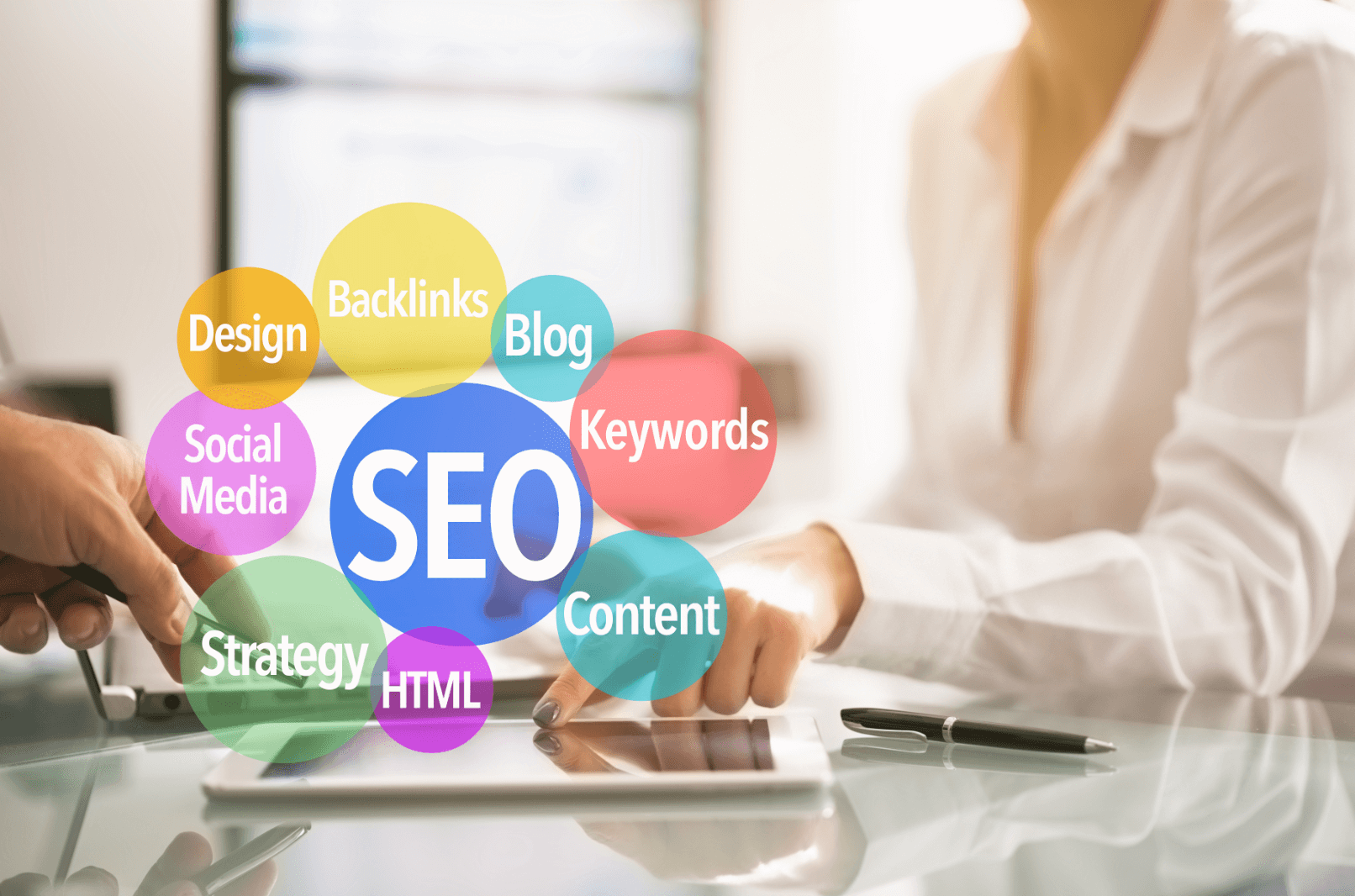
SEO is a long-term digital marketing strategy focused on improving a website’s organic search rankings. It involves optimising content, conducting keyword research, enhancing user experience, and building high-quality backlinks. The goal is to rank higher on search engine results pages (SERPs) without paying for ads.
Benefits of SEO
- Cost-Effectiveness: Once initial optimisations are made, SEO drives sustainable traffic without ongoing costs. Over time, the ROI of SEO can be substantial.
- Credibility and Trust: Websites that rank organically are often perceived as more credible and trustworthy by users.
- Long-Term Results: SEO efforts compound over time, leading to consistent and growing traffic.
Challenges of SEO
- Time to Results: SEO is not an overnight solution. It can take several months to see significant results.
- Execution Difficulty: Effective SEO requires expertise in technical optimisation, content creation, and link-building, often necessitating skilled professionals.
Understanding PPC
Definition and Process
PPC is a short-term digital marketing strategy where advertisers pay for each click on their ads. Platforms like Google Ads and social media networks allow businesses to target specific demographics, keywords, and behaviours, ensuring immediate visibility.
Benefits of PPC
- Immediate Results: PPC campaigns can drive traffic almost instantly, making them ideal for time-sensitive promotions or product launches.
- Targeting Precision: Advertisers can target specific audiences based on demographics, interests, and search intent.
- Flexibility: PPC campaigns can be easily adjusted, paused, or stopped based on performance and budget.
Challenges of PPC
- Cost: PPC requires a continuous budget, and costs can escalate due to competition for popular keywords.
- Temporary Visibility: Once the budget is depleted, visibility disappears, making it less sustainable than SEO.
Comparison of SEO and PPC
Metric | SEO | PPC |
ROI | High, long-term | Lower, short-term |
Conversion Rate | Higher (2.4%) | Lower (1.3%) |
Cost Structure | Initial investment, then flat | Ongoing, per click |
Traffic Type | Organic | Inorganic |
Time to Results | Months | Immediate |
Integrating SEO and PPC for Maximum Impact
Hybrid Approach
Combining SEO and PPC can create a powerful synergy. While SEO builds long-term organic traffic, PPC can provide short-term boosts, especially for new campaigns or product launches.
Synergy Benefits
- SEO Informs PPC: Keyword research and performance data from SEO can enhance PPC targeting.
- PPC Supports SEO: Paid ads can drive traffic to new content, helping it gain traction faster.
Emerging Trends in SEO and PPC for 2025
- AI-Powered Search: AI-driven algorithms are refining search results, emphasising user intent and experience. Businesses must focus on creating high-quality, intent-driven content.
- Video and Interactive Content: Visual and interactive content will dominate both SEO and PPC strategies, as users increasingly prefer engaging formats.
- Zero-Click Searches: With the rise of SERP features like featured snippets and knowledge panels, businesses must focus on brand visibility beyond just traffic generation.
Conclusion
Balancing Strategies
SEO and PPC are not mutually exclusive; they are complementary strategies that can work together to achieve a comprehensive digital marketing strategy. While SEO offers long-term sustainability and credibility, PPC provides immediate visibility and flexibility.
Future Outlook
As the digital landscape continues to evolve in 2025, businesses that integrate SEO and PPC will be better positioned to adapt to changing consumer behaviours and technological advancements. By leveraging the strengths of both strategies, businesses can maximise their online presence, drive sustainable growth, and stay ahead of the competition.
In the end, the choice between SEO and PPC—or the decision to use both—depends on your business goals, budget, and timeline. By understanding their unique advantages and challenges, you can craft a digital marketing strategy that delivers results in 2025 and beyond.
Ready to Dominate the Digital Landscape in 2025?
The future of digital marketing is here, and the competition is fiercer than ever. Whether you’re looking to build long-term credibility with SEO or drive immediate results with PPC, the time to act is now. At BeMySocial, we specialise in crafting tailored strategies that combine the best of both worlds, ensuring your business thrives in the evolving online space.
Don’t let your competitors steal the spotlight. Let’s work together to create a winning digital marketing strategy that delivers sustainable growth and measurable results.
📩 Contact BeMySocial today and take the first step toward dominating the digital landscape in 2025!
Peter
Peter Bezuidenhout is an SEO and digital marketing specialist based in KZN, South Africa, with a strong focus on serving UK and international clients. With nearly twenty years of experience, he helps brands increase their visibility and achieve growth through strategic SEO, results-driven campaigns, and creative content. His action-oriented, data-driven approach is tailored to help businesses thrive in today’s fast-paced digital world. Passionate about digital innovation, Pieter continues to deliver impactful results for his clients

Thank you to Pieter, Shannon and Corey!!

Everything was handled professionally, with a genuine understanding of our business and what we were trying to achieve. We’ve valued the flexibility and positive attitude throughout, which made working together easy and enjoyable.
We wouldn’t hesitate to recommend their services and would happily work together again in the future should our needs change. Many thanks Barry and Hayley


A no-fuss attitude and a speedy turnaround!
I’ve found the to be the very best company for us after trying several others over the years.
I’m glad to have them, because the cost of hiring someone directly to do the same work would be impossible.
Highly recommended.

Ruth and Emily are amazing, they are always on hand to answer any questions and explain everything thoroughly.

Our contact Ruth always makes herself available for telephone/zoom meetings, constantly checks up on how sales are progressing and advises on changes to marketing strategies to try and ensure increased traffic to the website. I cannot recommend them highly enough 🙂
Discover More Insights: Explore Our Blog for Expert Tips and Strategies!

Should You Hire a Web Developer, Use AI, or Build It Yourself in 2026?
One of the biggest decisions facing any business owner is how to get a website built. In 2026 the main options are: Build it yourself with a website builder Build

Website Development Process: 7 Phases Explained (With Checklist)
A successful website is rarely the result of improvisation. The best projects follow a clear, structured process that reduces risk, controls costs and delivers a site that actually works for

Website Development Cost UK 2026: Realistic Prices & Timelines
One of the first questions every business asks is: “How much does a website actually cost in the UK?” The honest answer is that it depends but not in a

Website Development Process 2026: Complete Guide (Steps, Costs, Types & Tools)
A well-built website remains one of the most important assets a business can own. In 2026 it is no longer enough simply to “have a site”. Visitors expect speed, mobile

What Does SEO Mean in Business Terms? (2026 Guide)
In business terms, SEO means building a reliable system that brings qualified customers to your website without paying for every click. It turns search engines into a long-term source of

How to Promote a Website: 9 Proven Strategies That Actually Work in 2026
Promoting a website in 2026 means getting the right people to find it, visit it and take action whether that is an enquiry, sale or booking. The most effective approaches